A Legacy of
Leadership
Her Journey
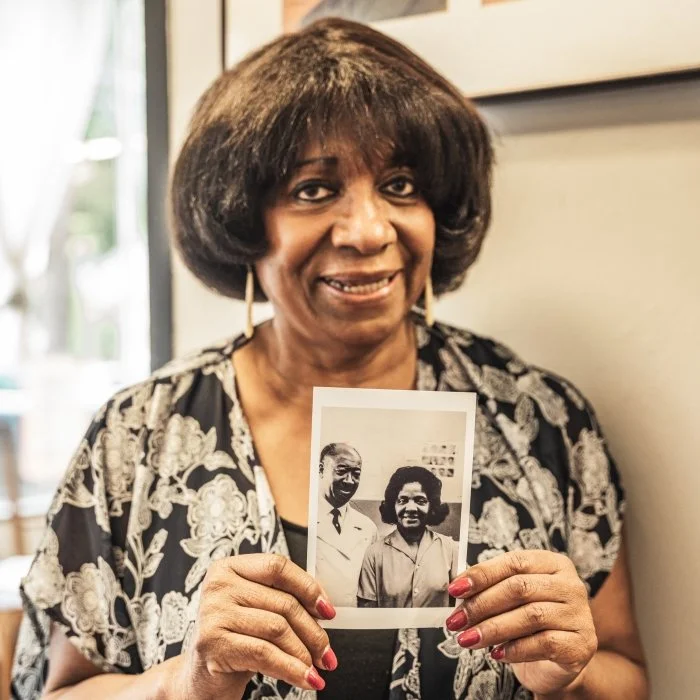
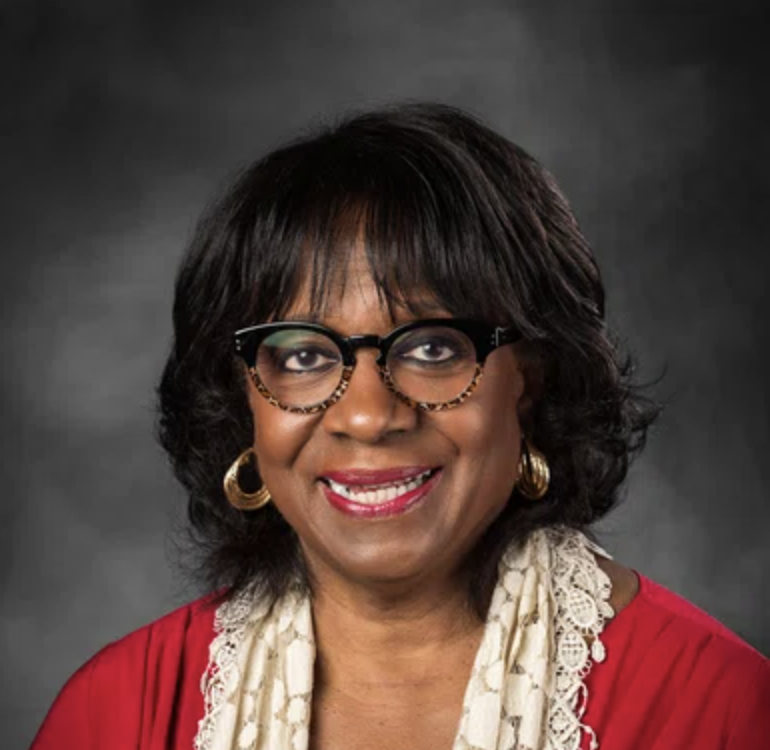
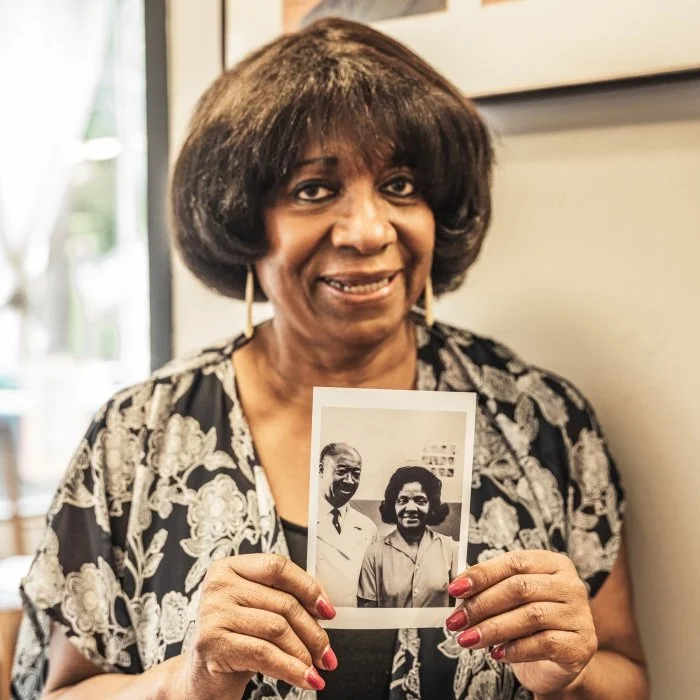
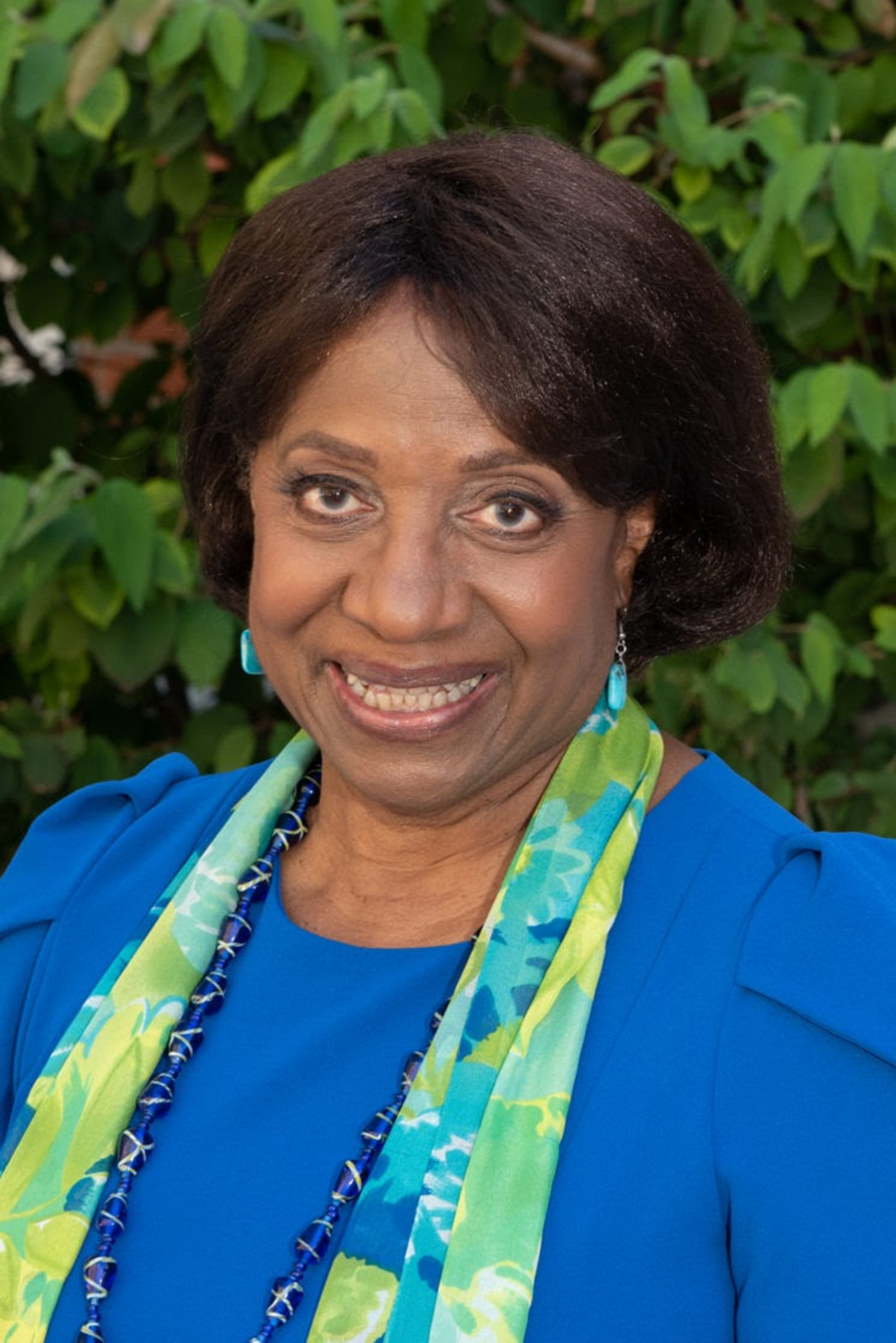
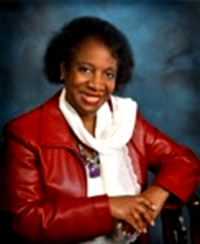
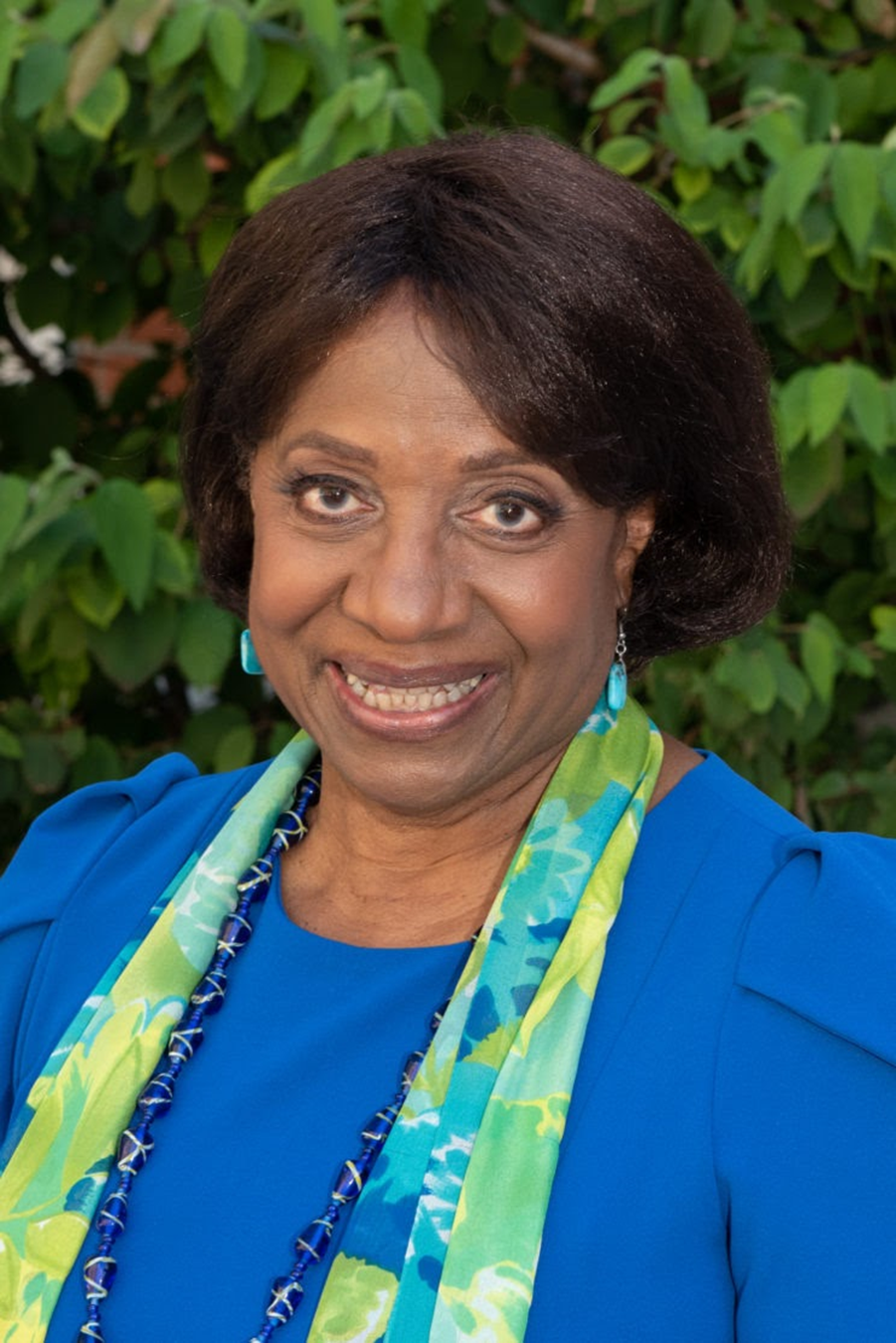
The story of Kay Toran is one deeply rooted in the soil of Portland, Oregon. Her parents founded the iconic Dean’s Beauty Salon and Barber Shop, and through this experience, Kay learned early that personal success is inseparable from the health of one’s community. This foundational understanding of persistence, duty, and grace defined her path long before she ever entered the public eye, shaping a worldview that balanced a steady focus with a drive for systemic change.
Her professional path is a testament to a life lived with purpose. After graduating from the University of Portland and earning her Master of Social Work from Portland State University, she began her career not just as a professional, but as an educator, serving as an Assistant Professor at her alma mater. That initial bridge between academia and service became the hallmark of her later life, providing her with the intellectual rigor and empathetic perspective needed to navigate the complexities of large-scale social systems.
These early experiences paved the way for her influential appointments as Director of the State of Oregon Affirmative Action Office and the Children Services Division. In these high-stakes roles, she moved through the corridors of state government with a steady hand, consistently advocating for those whose voices were often sidelined. It was here that she developed her philosophy of servant leadership, learning how to translate policy into real-world change while remaining accountable to the families and children of Oregon.
Beyond the titles and the boardrooms, Kay’s life has been guided by the values of a woman who has always put her family first. As a dedicated mother and grandmother, she navigated the intensity of public life with a perspective informed by her own home and the legacy of the generations before her. Those closest to her know that her greatest source of inspiration has never been found in professional achievement alone, but in the relationships that have anchored and sustained her throughout every chapter of her life.
The Impact
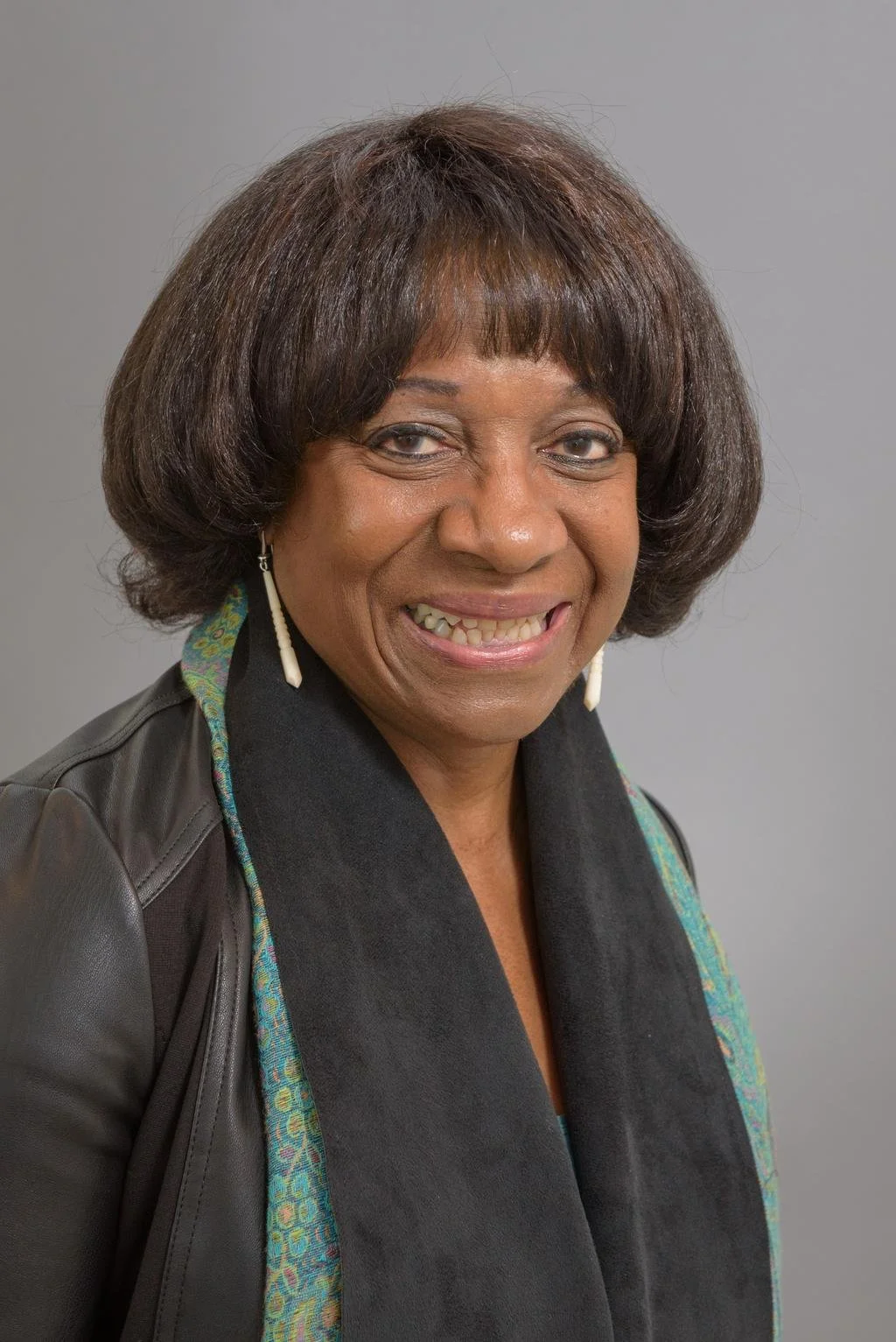
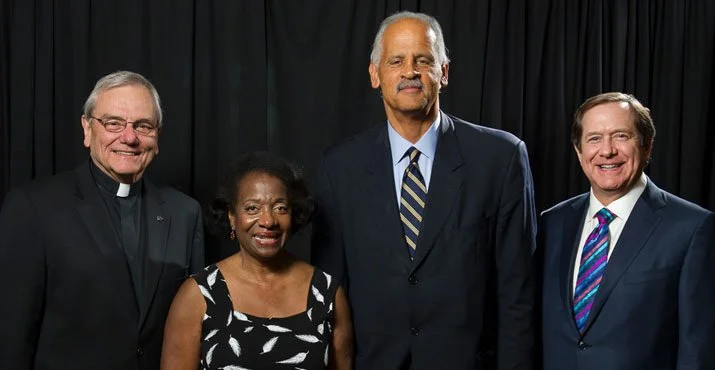
Throughout her career, Kay Toran was frequently the first to occupy spaces that had historically excluded Black women. Her contributions to Oregon’s social landscape were rooted in a willingness to engage with difficult and volatile social issues. Kay architected state-level policy, having been appointed to three top positions by three different governors across party lines. She also endured the scrutiny of leading a major child welfare agency, always operating with an unwavering focus on the humanity of those she served.
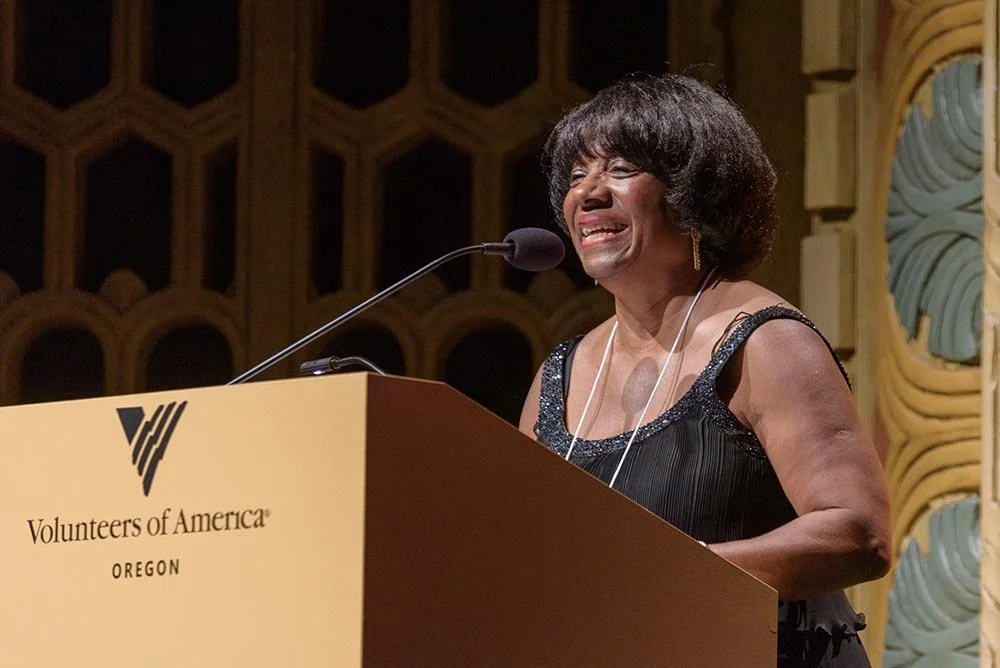
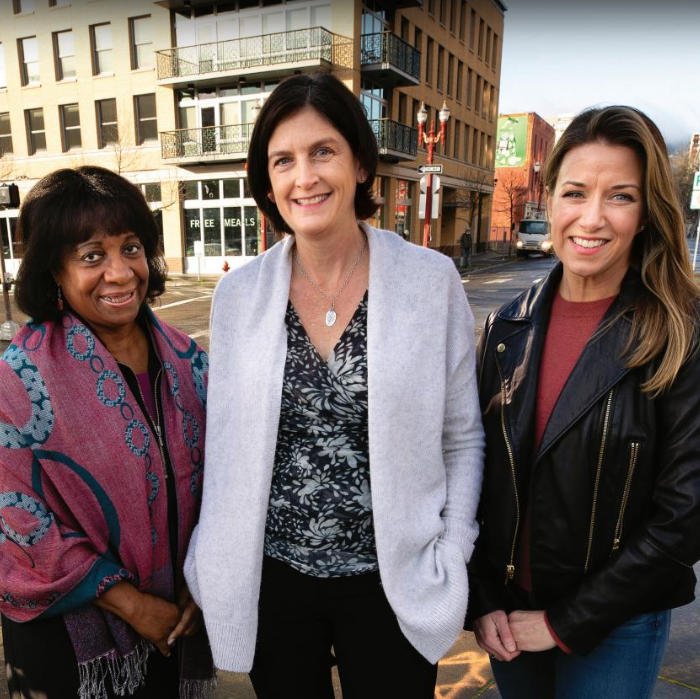
During her 25-year tenure at Volunteers of America Oregon, she transformed the organization into a regional pillar for social equity. Under her leadership, she expanded the horizons of what a non-profit could achieve, championing robust programs in addiction recovery, early childhood education, and reentry services for the formerly incarcerated. Her philosophy was simple yet radical: that no one is beyond reach, and that the duty of those in power is to build systems that reflect our collective compassion rather than our indifference.
The results of her dedication are visible in the institutions she built and the lives she helped stabilize, but they are perhaps most profoundly felt in the model she left behind for others to follow. She navigated intense public pressure, including moments of racial tension, with an integrity that earned her the respect of colleagues and critics alike. She proved that it was possible to maintain one's moral compass even while managing the massive, often unforgiving machinery of government and social services.
Her legacy lives on through the thousands of families supported by her programs and the generation of leaders who continue to look to her career as a blueprint for how to wield influence with empathy. She has left Oregon not just improved, but fundamentally changed, anchored by her guiding mantra: "All that we do is on behalf of the children." Her story reminds us that the most significant contributions are those that dismantle barriers and pave the way for a more inclusive future.